Claude Sonnet 5.5: the AI workhorse just got faster, cheaper, and a lot more capable
What Anthropic’s newest model means for a small business that runs on everyday AI — and what to do about it this week.
As a member of the Claude Partner Network and a certified Claude Trainer, here is our honest read on what changed, and what it means for you.
What actually shipped
On September 28, Anthropic released Claude Sonnet 5.5, the second model in its Claude 5.5 family. Sonnet is the workhorse of the Claude family: where Opus 5.5 handles complex, open-ended work that needs sustained judgment, Sonnet is built for well-scoped everyday tasks like drafting polished documents, building slides and spreadsheets, fixing bugs, and running the small assistants your team already relies on. Sonnet 5.5 is a clear upgrade over Sonnet 5 in four ways that matter to a business owner:
- 01
Faster.
Output speed is roughly 150 tokens per second, about 30% faster than Sonnet 5. Shorter waits on the same requests.
- 02
Cheaper per task, same sticker price.
Pricing is unchanged at $2 per million input tokens and $10 per million output tokens. But the model typically needs far fewer tokens to finish the same job. In Anthropic’s testing, that works out to up to 30% less cost per task.
- 03
Smarter on real work.
On GDPval-AA, a test of real-world work across occupations, Sonnet 5.5 scored 1,844, essentially level with Opus 5.5 at 1,846 and well ahead of Sonnet 5 at 1,449. On agentic coding it jumped from 10.3% to 70.6% on Terminal-Bench 4.0. Benchmarks are one facet, but a jump that size shows up in daily use.
- 04
A better writer.
Like Opus 5.5, it writes more clearly than the previous generation. Drafts need less cleanup before you can send them.
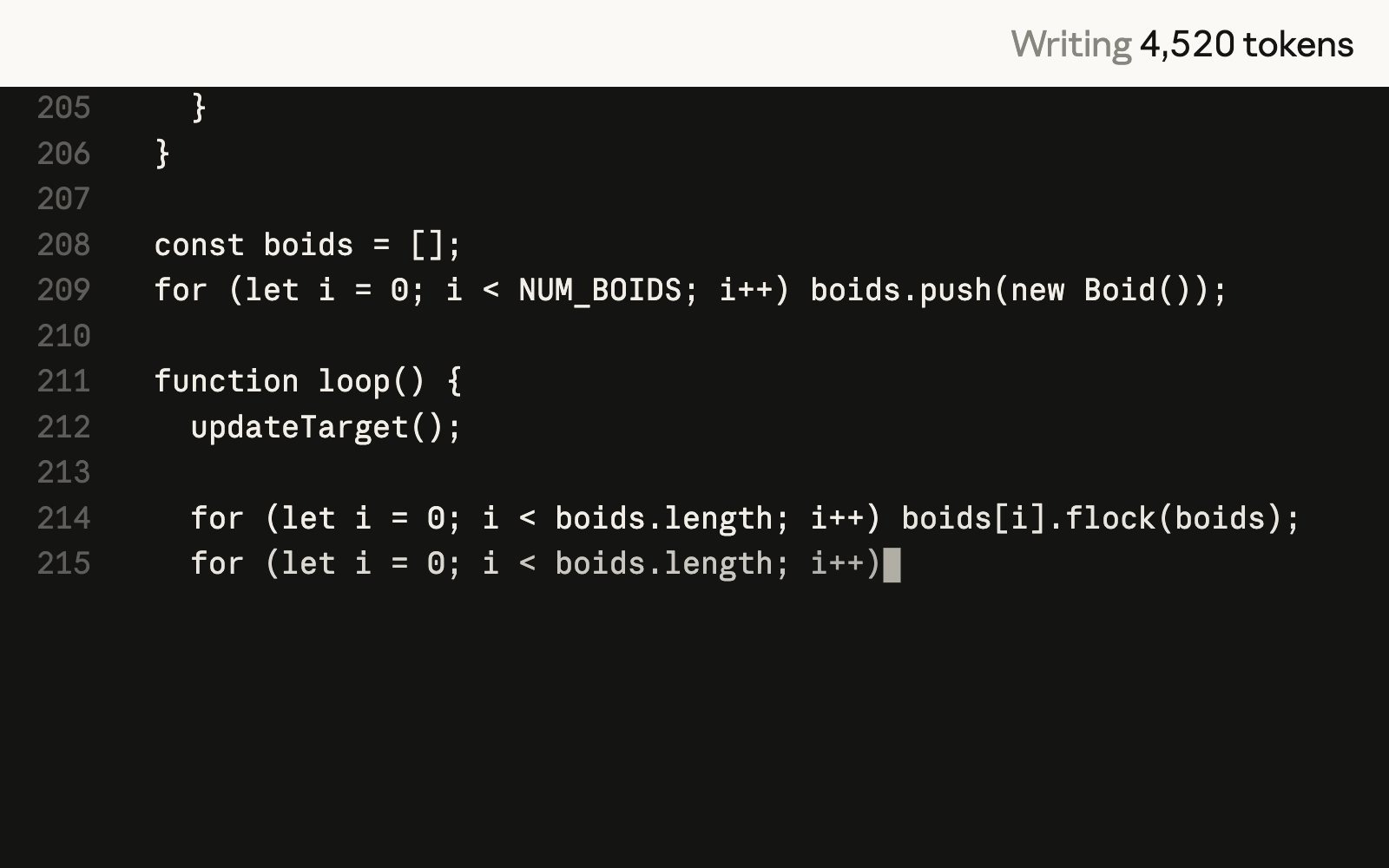
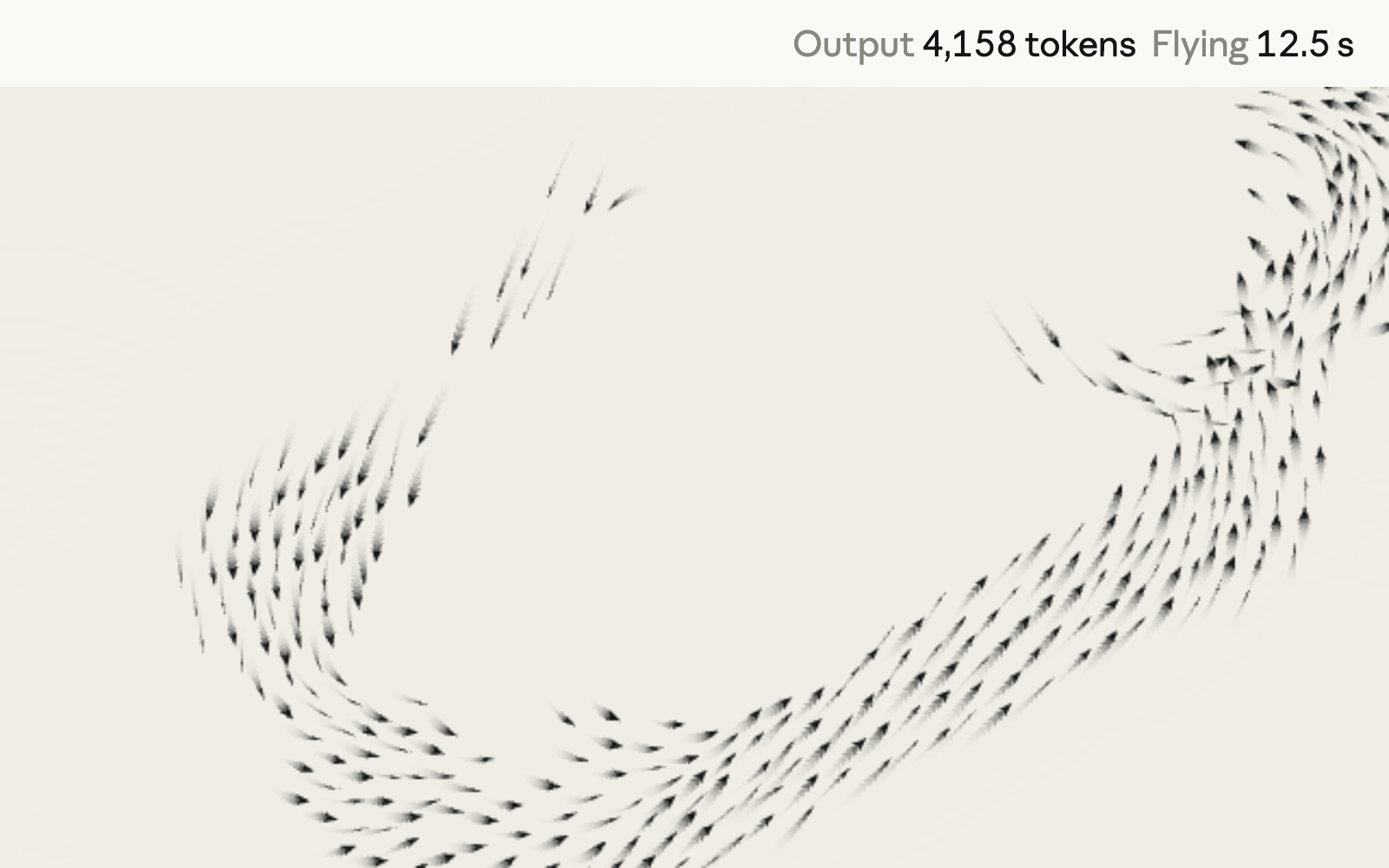
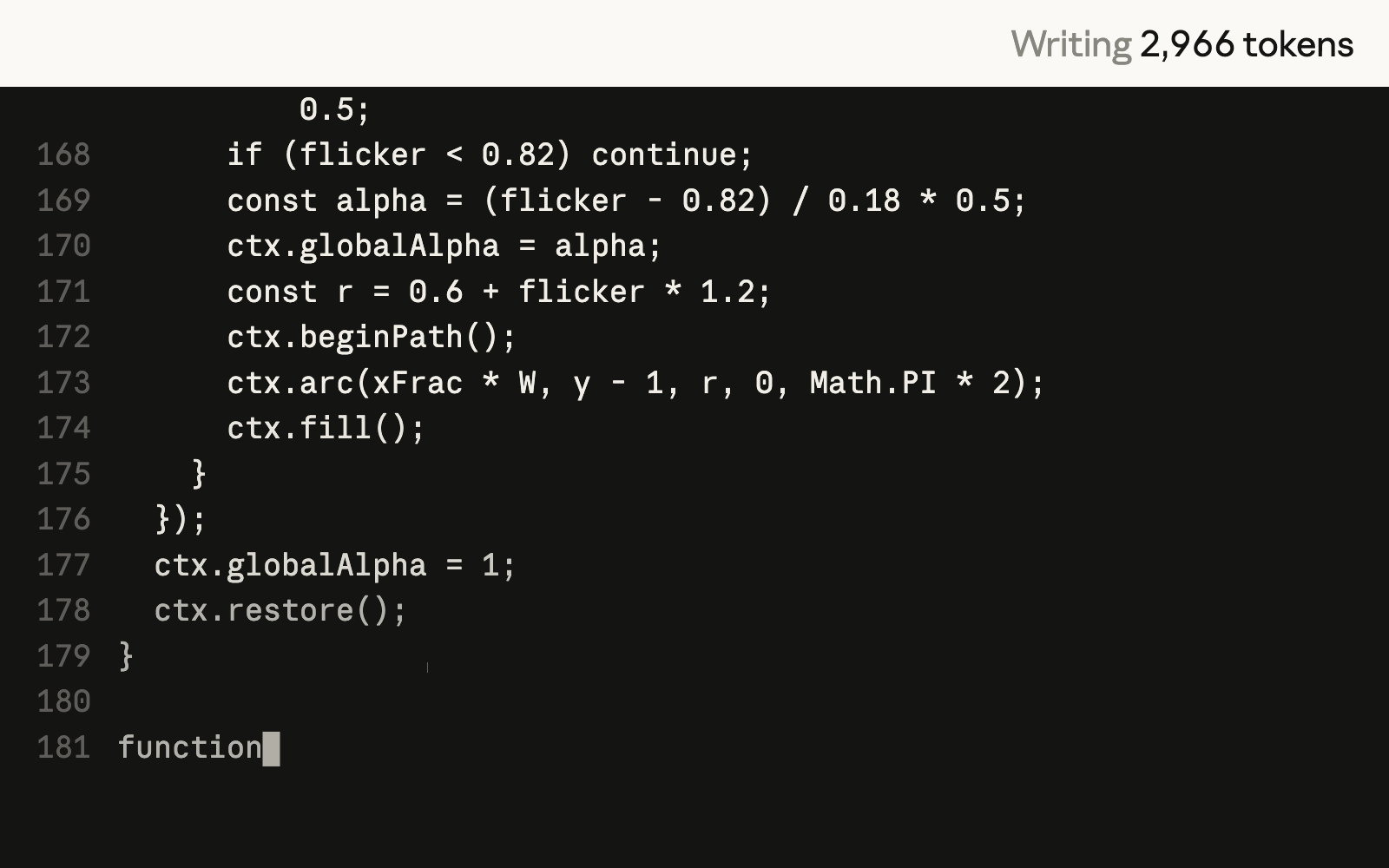
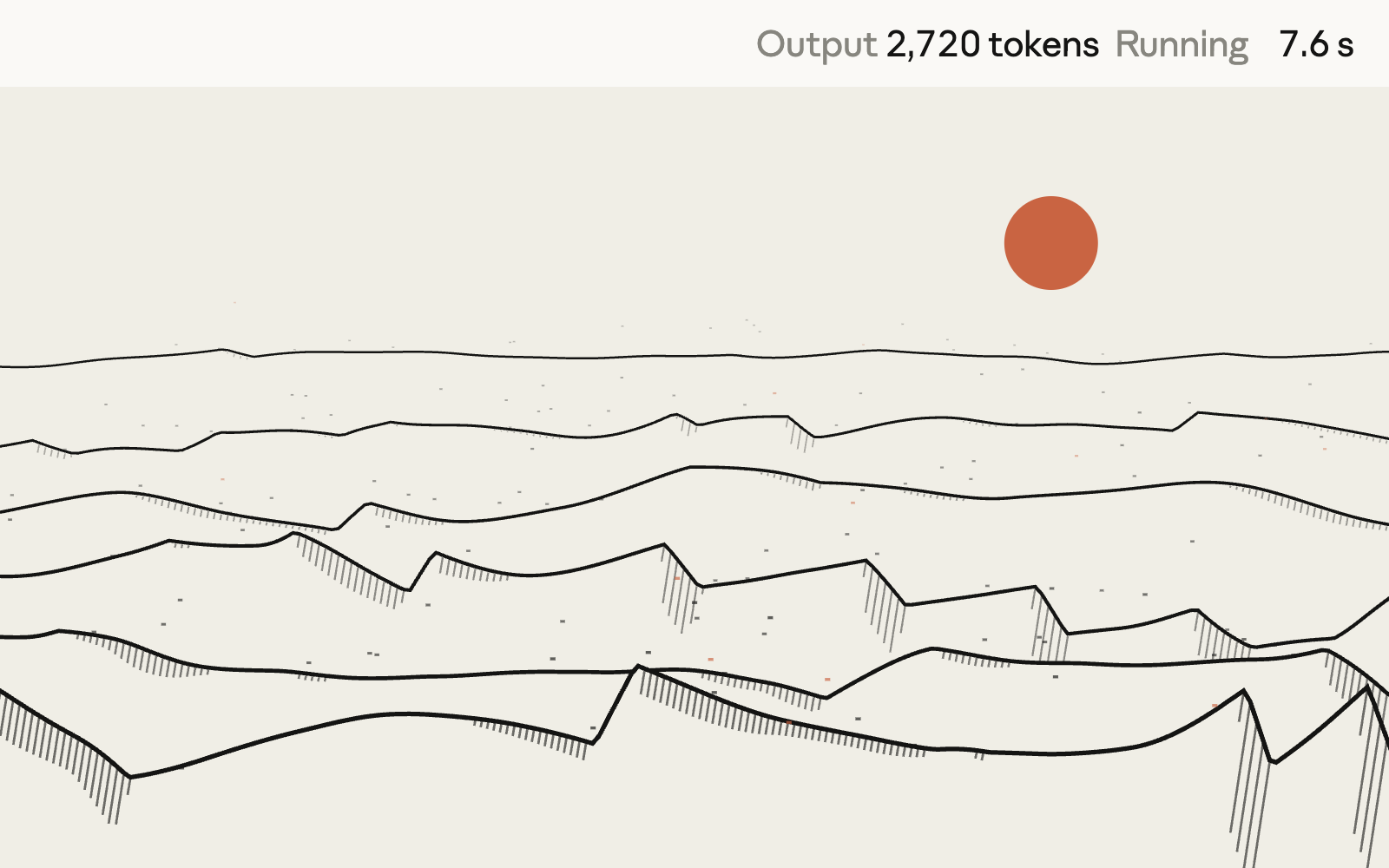
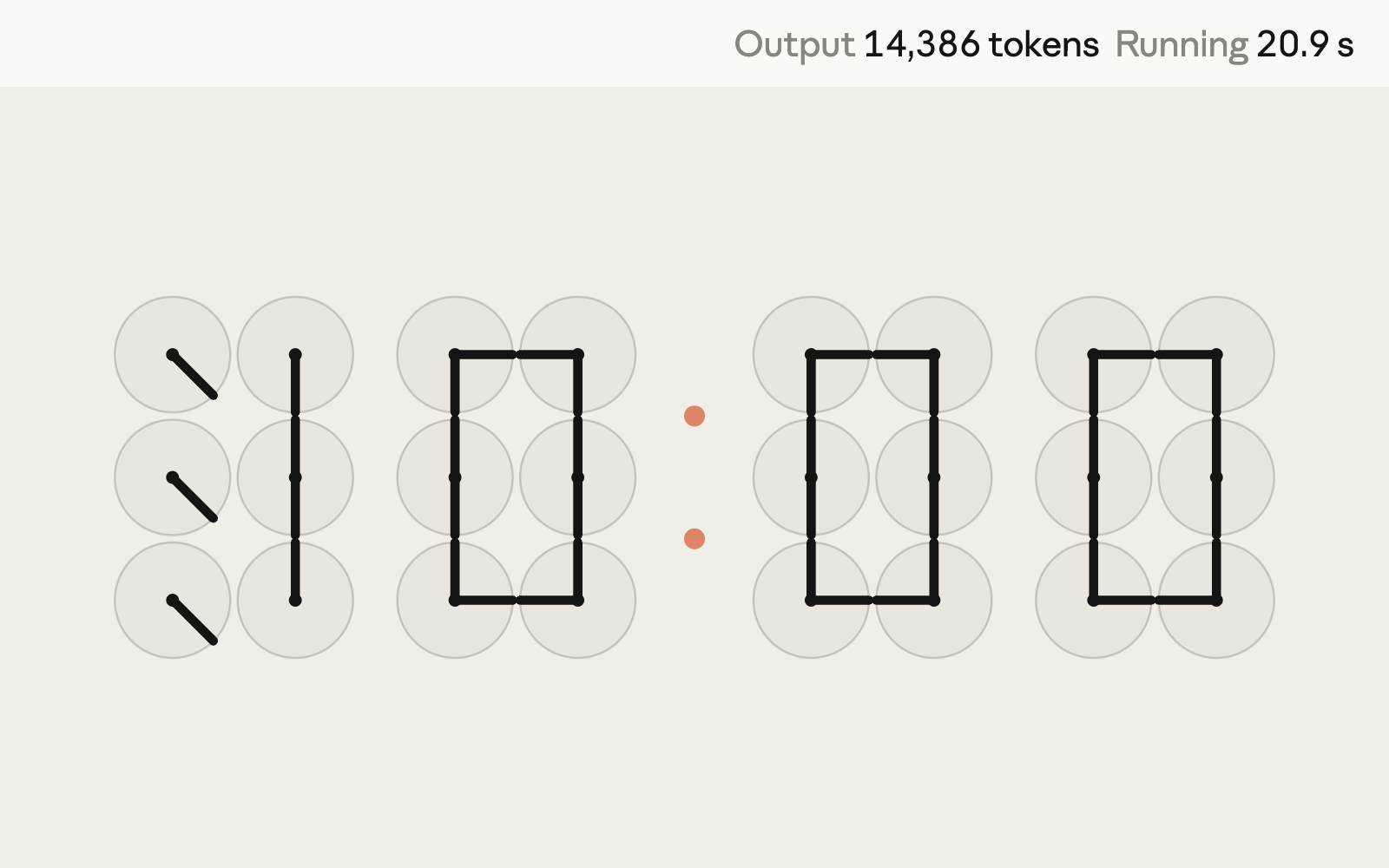
Anthropic illustrated the improvement with paired examples: the same prompt given to the previous model and to Sonnet 5.5, producing a starling murmuration simulation, a sand dunes visualization, and a working clock made of smaller clocks. The newer model’s versions are visibly more polished and more complete. That pattern, an upgrade you can see without a technical background, is what the release is like in everyday use.
What it looks like on a Tuesday
Forget benchmarks for a second. Here is where a model like this changes a small business’s week:
- 01
The proposal that took an afternoon now takes twenty minutes.
You describe the job, the model drafts a clean, structured proposal in your voice, and your time goes to the pricing decision, not the formatting.
- 02
The spreadsheet cleanup disappears.
Messy exports from your booking or invoicing tool become organized, labeled, summarized data. High-volume financial analysis is one of the things this model is explicitly built for.
- 03
Customer replies stop piling up.
Clearer writing means drafts you can send after a quick skim, not a rewrite.
- 04
The internal tool you kept putting off.
A tracker, a checklist, a small dashboard for the team. Describe it in plain English, get a working first version. Sonnet-class models have become genuinely good at this, and this release extends that lead.
None of this is new capability in the abstract. It is the same everyday assistant, roughly a third faster and meaningfully better at finishing.
The honest limits
Three things worth knowing before you get excited:
- 01
Hard problems still belong to bigger models.
Opus 5.5 remains the daily driver for complex, reasoning-intensive work, and Anthropic’s Fable line covers the largest problems. Sonnet 5.5 is the right default for well-scoped work, not for everything.
- 02
Upgrading is not automatic.
If a vendor built you something on Sonnet 5, switching models is usually a small change, but two things can break an existing setup: requests that disabled “thinking” now return an error (there is a new setting for that behavior), and the API no longer lets you force a specific tool call (structured outputs are the replacement). Test before you switch. Any competent developer can handle this in a short session.
- 03
The safety bar went up, which is good for you.
Sonnet 5.5 is the first Sonnet to ship with the same class of cyber safeguards as Anthropic’s most capable models, and it improved on most alignment measures. For a business trusting AI with real customer data, that is a meaningful trust signal, not a footnote.
What to do this week
- 01
Try it on a real task.
It is live now on claude.ai and the Claude API. Give it one task from this week that normally eats an hour, and time it.
- 02
Ask your vendors about it.
If anyone has built AI tools for your business on Claude, ask whether they have tested the upgrade and handled the two breaking changes above.
- 03
Bring one workflow to us.
Book a “Put AI to work” conversation at consultiply.ai. We will look at where your team’s hours actually go, and show you what this class of model does with your real work, not a demo script.
AI news moves fast, and most of it does not deserve your attention. A 30% speed gain, a 30% lower cost per task, and a quality jump you can see on a single prompt? That one is worth an hour of your week.
Want this working in your business?
Tell us what you are trying to fix and we will point you at the smallest useful next step.
Talk to us